
Cherry angiomas are small, red skin growths that often appear suddenly—and while they’re usually harmless, their appearance can sometimes be linked to what’s going on inside your body. One major internal trigger? Hormonal imbalances.
Hormones play a key role in regulating how your skin behaves. When your hormones fluctuate—whether due to age, stress, pregnancy, menopause, or medications—it can cause an overgrowth of blood vessels near the surface of your skin. This is often what leads to cherry angiomas.
We’ve seen many clients develop cherry angiomas during hormonal shifts. The good news? There are ways to manage and even reduce them. From natural lifestyle changes to safe removal using our home-visit cryotherapy treatments, we’re here to help you take back control over your skin health—right from the comfort of your home.
Why Do Verrucae Spread So Easily in Places Like Gyms, Pools, and Changing Rooms?
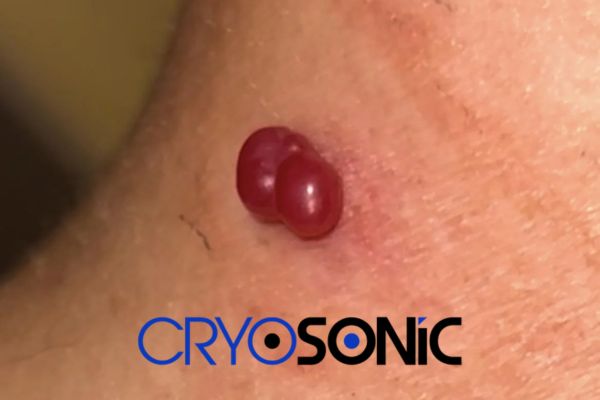
Cherry angiomas are bright red or purple spots on the skin caused by clusters of tiny blood vessels. They come in different sizes and often show up on the torso, arms, or shoulders.
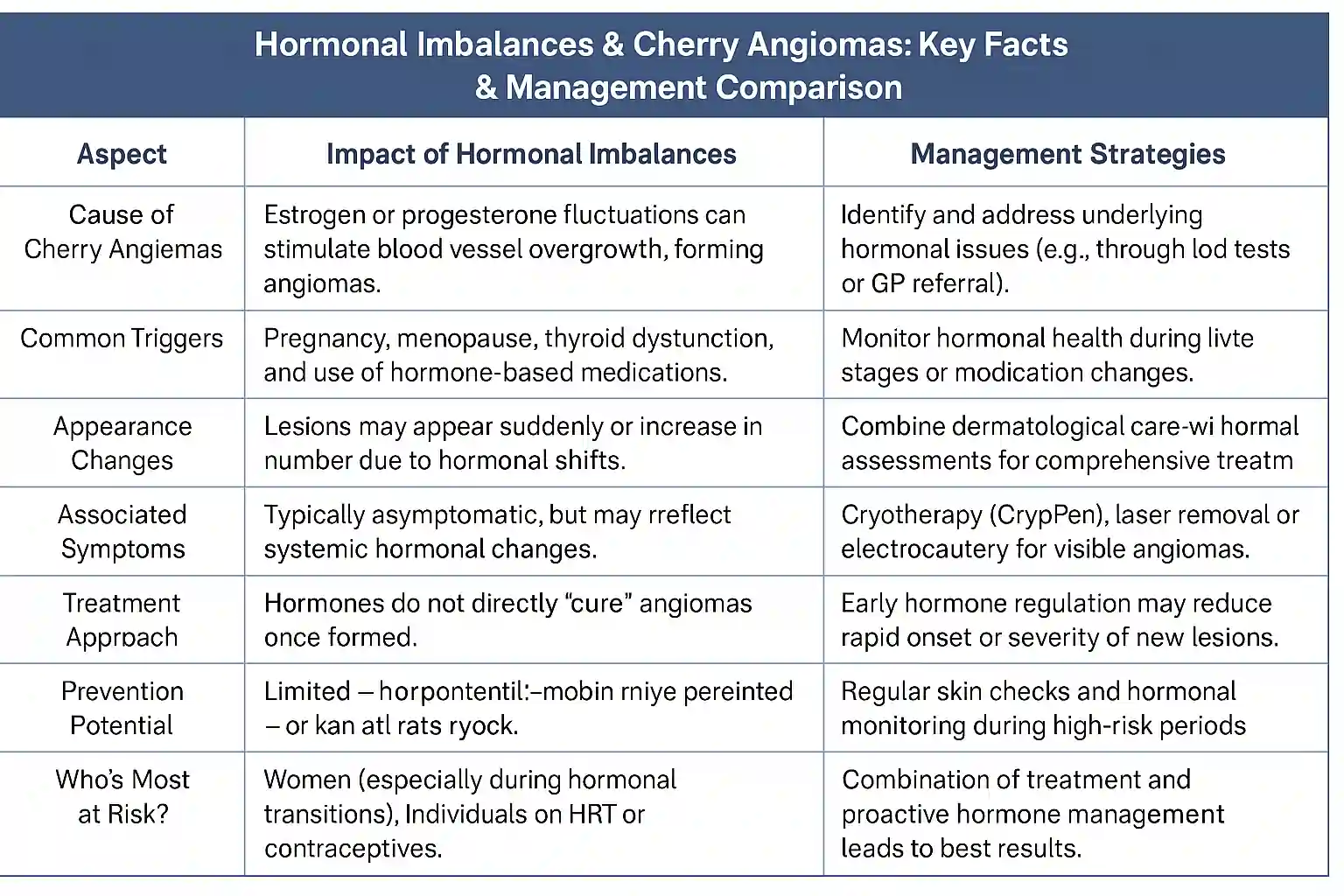
While age and genetics can play a role, hormonal fluctuations—especially during pregnancy, menopause, or while taking hormone-based medication—may make these growths more noticeable or cause more of them to appear.
If you’ve started noticing more cherry angiomas suddenly, your hormones could be the reason. We’ve helped many clients who had no idea their red spots were tied to internal hormone changes. Our personalised, in-home assessment and cryotherapy treatment ensure you get the answers—and the care—you need without stepping out your front door.
Can Hormonal Changes Cause Cherry Angiomas—Or Is That Just a Myth?
It turns out there may be some truth to it—growing research points to hormone level changes as a possible factor in why cherry angiomas appear. While they’re not the only factor, shifts in hormones like oestrogen and progesterone can sometimes trigger or increase the number of these little red spots.
Think of your skin like a mirror; it often reflects what’s going on inside. Many of our Cryosonic Swansea clients notice a sudden rise in angiomas during hormone-related phases of life—and our experts are trained to identify if this might be the case for you.
Don’t let myths keep you guessing. If you suspect hormones may be at play, our at-home cherry angioma treatment is designed to offer both clarity and results.
Why Do So Many People Notice Cherry Angiomas During Pregnancy, Menopause, or Hormonal Therapy?
Hormone levels can change significantly throughout pregnancy and menopause — sometimes causing very recognisable physical changes in the body. Oestrogen and progesterone levels also spike, both of which can affect vascular biology and subsequent blood vessel formation. The result? Red dots—cherry angiomas—begin to appear.
Similarly, people undergoing hormonal therapy (like HRT or fertility treatments) may notice cherry angiomas popping up more frequently than before. It’s not uncommon—and it’s not permanent.
Cryosonic’s clients are often relieved to know these changes are normal and manageable. Our home-based cryotherapy treatments are especially ideal for those going through pregnancy or menopause, when comfort and convenience are a priority.
What Hormones Are Most Likely Responsible for Triggering Cherry Angioma Growth?
The primary hormones suspected to play a role in cherry angioma growth are:
- Oestrogen – Elevated levels may increase blood vessel formation.
- Progesterone – Often fluctuates alongside oestrogen and may also impact skin changes.
- Growth hormones – High levels (especially during pregnancy or due to hormonal therapy) can lead to skin growths.
We know that hormones affect everyone differently. That’s why, during our home consultations, we take the time to listen to your concerns and understand your history—so we can create a treatment plan that truly fits your skin.

How Can You Tell If Your Cherry Angiomas Are Hormone-Related or Just Genetic?
It can be hard to know the exact reason without a more in-depth look, but here are a few signs that your cherry angiomas may be hormone-related:
- They appear or worsen during life phases involving hormonal shifts (pregnancy, menopause, etc.)
- You’re on hormone-based medication or therapy
- There’s a sudden increase in the number, not gradual over time
Genetic cherry angiomas usually develop slowly and begin appearing in midlife. If your angiomas are appearing more suddenly or in clusters, hormones might be the culprit.
At Cryosonic, we bring the expert eye directly to your home. During our in-home assessment, we help determine what’s likely causing your angiomas—and whether removal is proper for you.
What Lifestyle or Dietary Changes Could Help Regulate Hormones and Reduce Angioma Flare-ups?
Although we may not be able to avoid cherry angiomas sometimes — particularly if hormones are the underlying cause — there are some more positive changes you can consider that might help:
- Eat hormone-friendly foods: Leafy greens, flaxseeds, berries of all different kinds – they are.
- Sugar and processed food consumption reduction: These increase insulin, which destroys your hormonal balance.
- Make exercises regularly: Physical activities help in hormone regulation and skin health.
- Control cortisol: Stress makes all hormones go haywire—do some yoga or meditation and/or rest a bit more regularly.
To ensure the best patient outcomes, our Cryosonic team prefers to tailor each treatment to your lifestyle. You are not just dealing with the symptom — you are supporting your entire system. And we will guide you in every step of the way.
When Should You Consider Cryotherapy for Hormonal Cherry Angiomas Swansea—and Is It Safe?
Cryotherapy is a safe, effective method for removing cherry angiomas by freezing them at their root. It’s non-invasive, quick, and highly targeted—making it ideal for hormone-related angiomas that keep appearing or feel unsightly.
You may be thinking about cryotherapy if:
- Your angiomas are increasing rapidly.
- They are either uncomfortable or bother us visually
- Want a way that is not in a hospital?
Cryosonic provides clinical-level cryotherapy in your own home, so you no longer have to go to a clinic or travel. You can rest assured that you’re in the safest possible hands with our experienced practitioners and personal approach.
How Does Cryosonic’s Cherry Angioma Removal Treatment Work for Hormone-Related Cases?
We treat each client as an individual. Our cherry angioma removal treatment Swansea begins with a complete in-home consultation, where we examine the angiomas, ask about any hormone-related factors, and determine the best course of action.
With specialized cryotherapy instruments and accurate cold, we freeze the blood vessels in the angioma so that over time the spot will safely fall off. Only a few minutes are needed for the treatment application per place, and the surrounding skin remains unblemished.
Our team also offers aftercare guidance to ensure healing goes smoothly—and because we come to you, you can relax in the comfort of your home throughout the entire process.
FAQs: Hormonal Imbalances & Cherry Angiomas
Q: Can cherry angiomas Swansea really come from changes in hormones?
In some cases, cherry angiomas may contribute to hormonal changes. Age and genetics continue to be one of the most significant components that will dictate how blood vessels act in the skin, but so too do oestrogen and other hormones.
Q: Why do cherry angiomas appear during pregnancy or menopause in Swansea?
Hormonal patterns will change dramatically during pregnancy and menopause, for instance. Changes to blood flow and skin cells related to age can lead to the development of new cherry angiomas or others becoming more prominent.
Q: What I need to know is that cherry angiomas are not a sign of a health problem.
Cherry angiomas are non-cancerous in most cases and unrelated to a serious health issue. However, when they arrive so rapidly — pouring from the sky like a meteor shower in large quantities — it will always help to check for peace of mind.
Q: How do I tell if my cherry angiomas are genetic vs. hormone-related?
They tend to be related to episodes of hormonal imbalance such as during pregnancy, menopause or hormone therapy. The genetic variety is slow-moving: rather than being pounced upon like a tiger in the night, they tend to rise in tandem with affluence as people age.
For Further Information, Please Call us: 03300 100 392